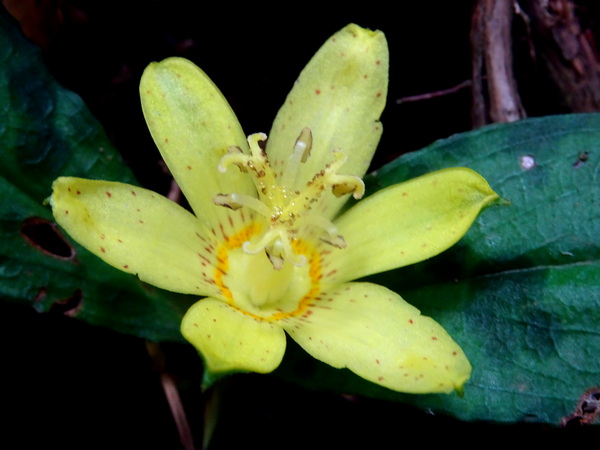
Christmas Day, 2017. There was rain through the night, but clouds were expected to clear off early in the morning, and we were expecting blue sunshiny skies. We weren’t sure exactly how cold it had gotten, overnight, up on Aozasa Mountain (1550 m), and weren’t sure whether we’d meet up with snow—or maybe even drifts of snow . . . and we remembered, from last year, snow up to our hips.
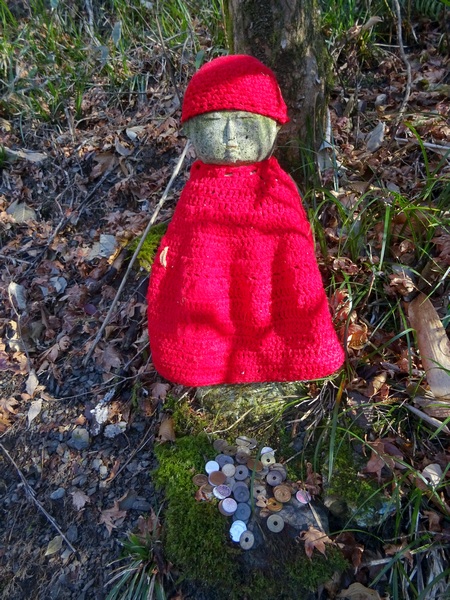
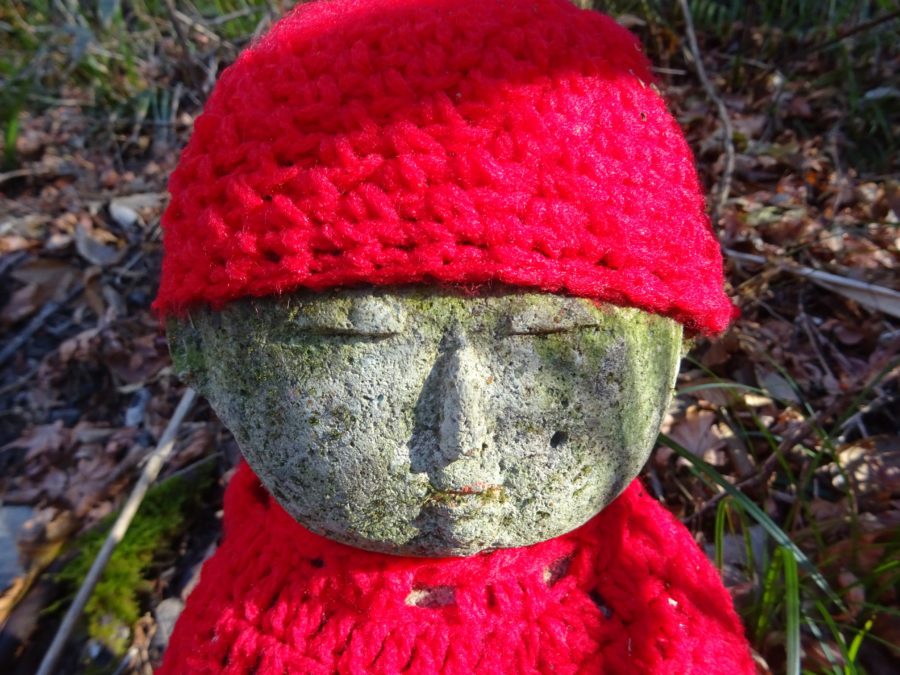
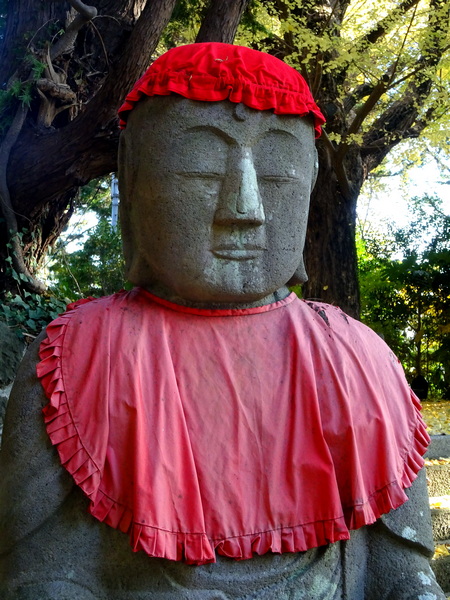
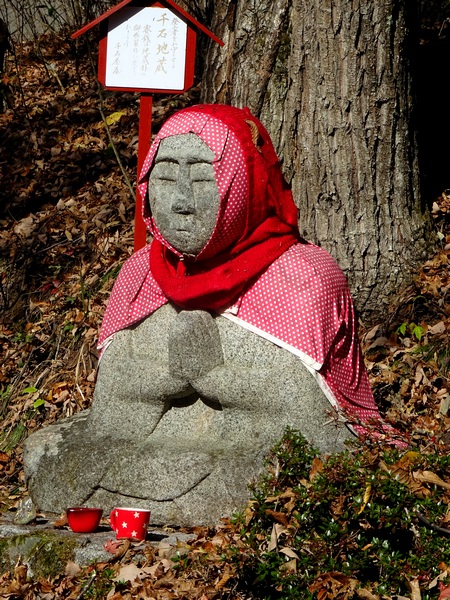
As always, red-coat jizo welcomed us to the neighborhood.
And it was that beautiful round face of his—or hers . . .
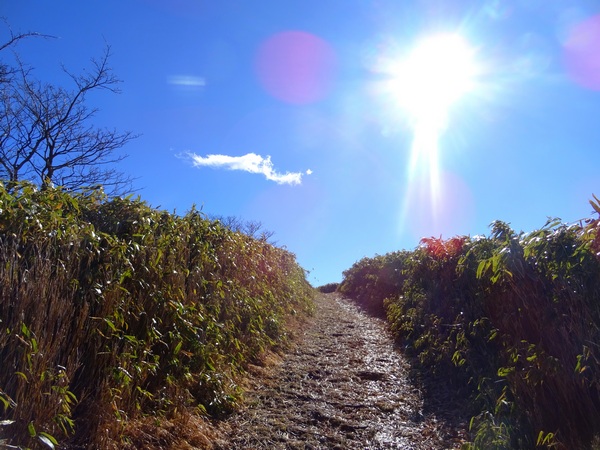
. . . and the beautiful blue sky that was everywhere that together—the roundness and the blue together—brought the photograph taken by the crew of Apollo 17 in 1972, the one famously called “the blue marble,” into my mind . . .
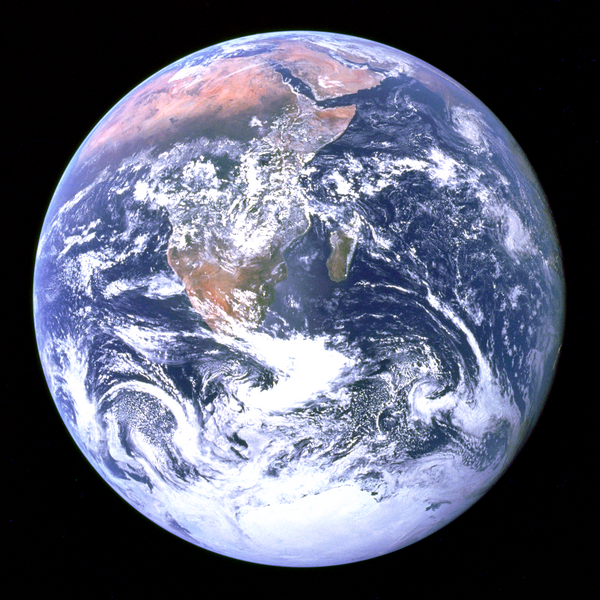
. . . made me understand—or maybe, feel keenly, is a better way of putting it—how that single image could, in a moment, have affected so strongly the perceptions and a shifting consciousness of so many.
An atmosphere of swirling white that knows no borders. And no point on the surface of that slick blue globe from which you could ever imagine yourself walking in a straight line, the sort of straight line that would lead you to a place that you could declare your very own, a place you might “own.”
Private Idahos on the blue marble?
No. At least I can’t imagine it.
And no, not all, not everyone, but many.
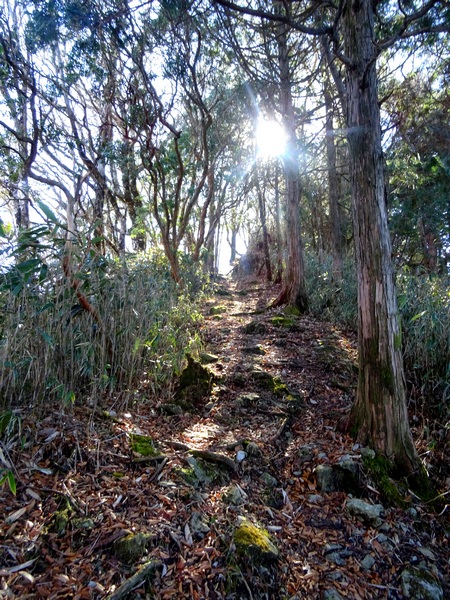
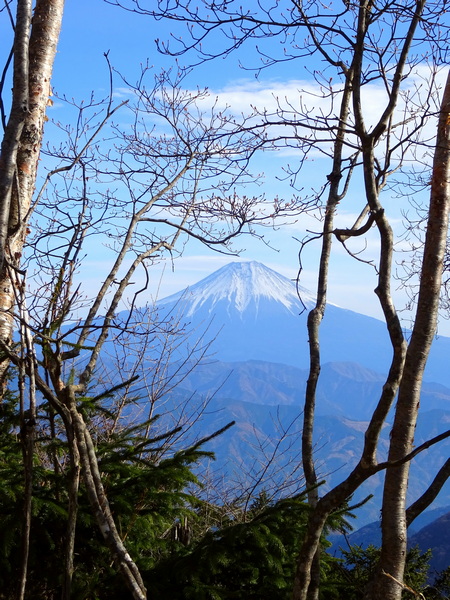
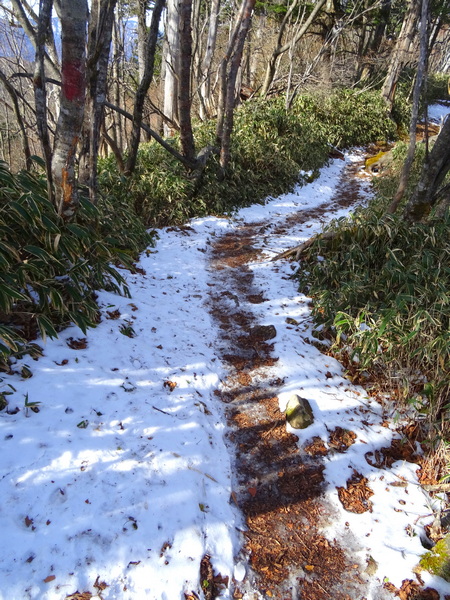
Ended up that there wasn’t any snow up on the trail. Just the blue and and that sunshine, and the roundest of the round things, the one that seems to circle around us wherever we go.
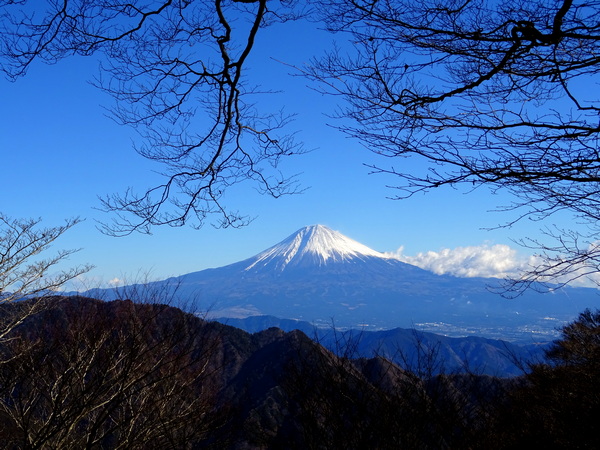
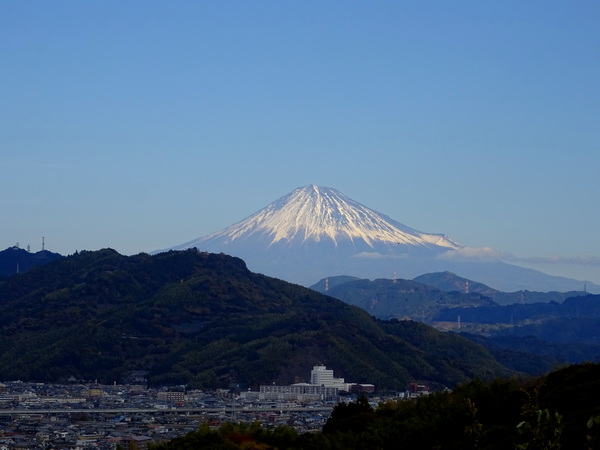
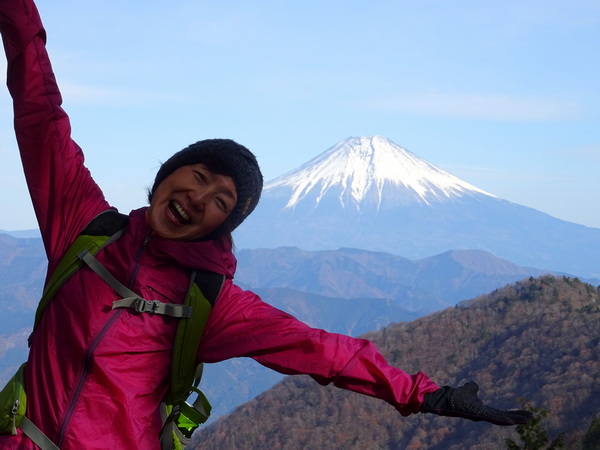
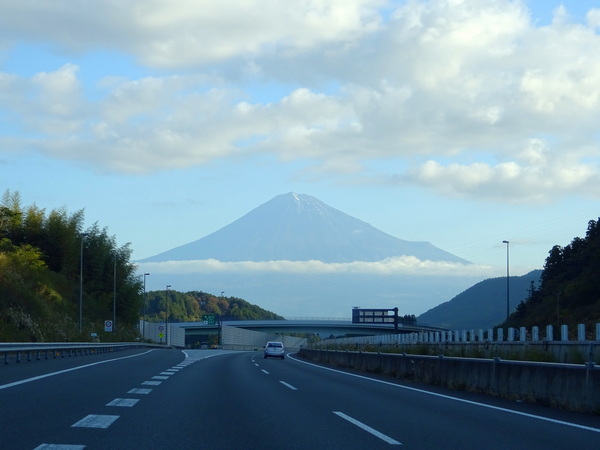
Yes, I’m refering to our dearest of friends, the one and only Fuji-kun.
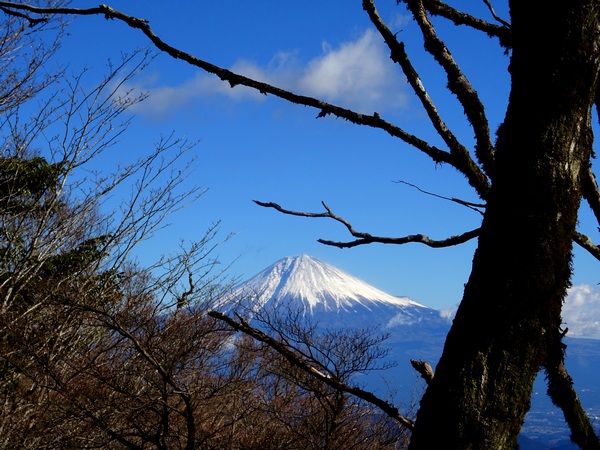
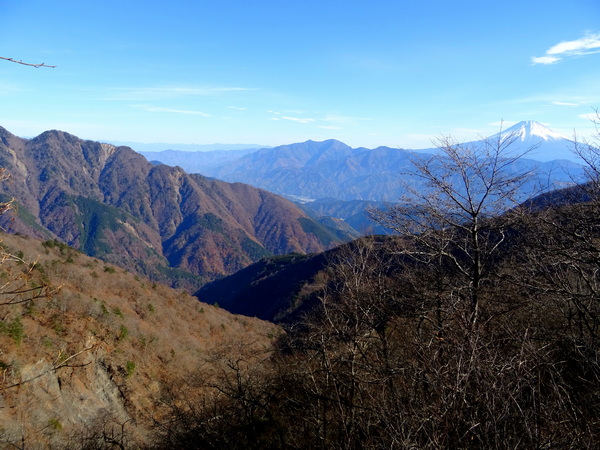
Along the main Aozasa ridge we walked, for more than an hour, the whole time Fuji-kun right there on our left shoulder.
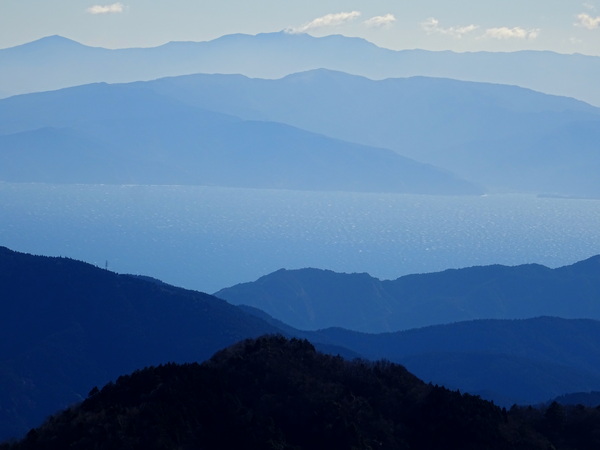
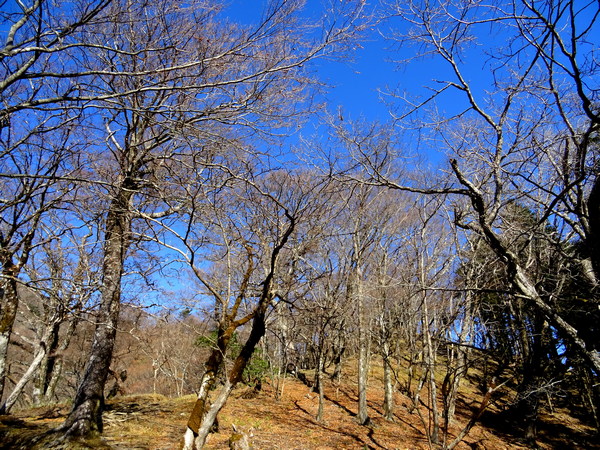
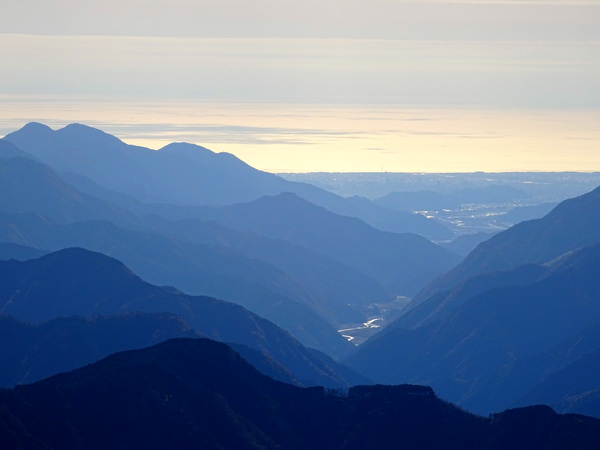
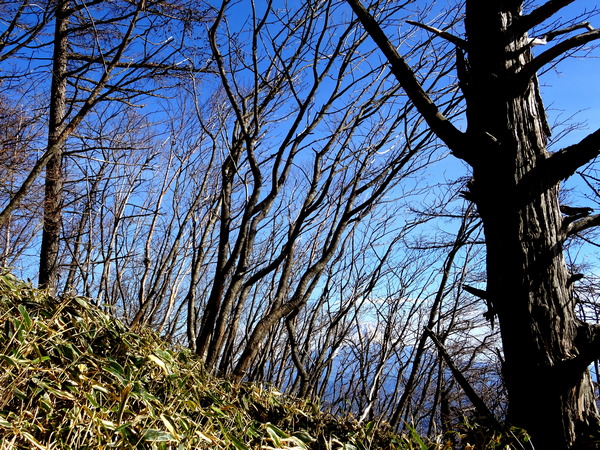
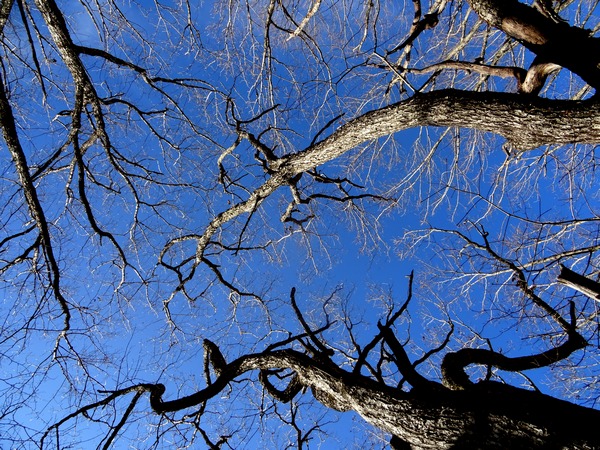
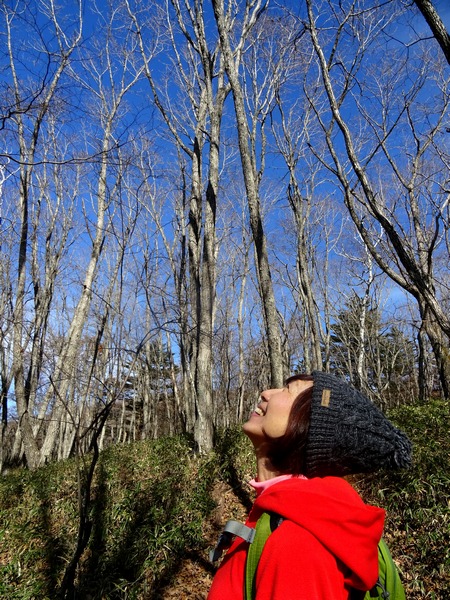
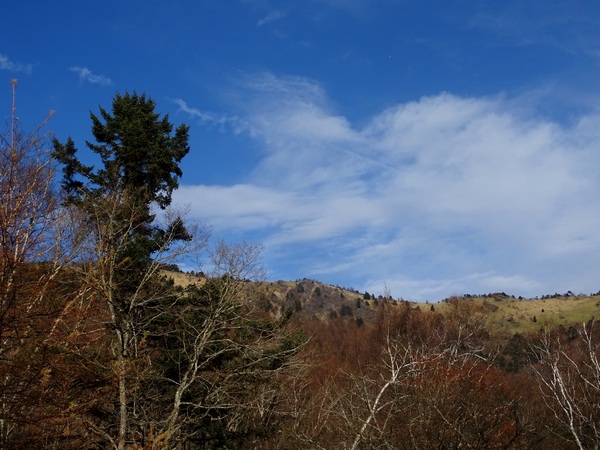
All along the way, we felt, right there with us, embracing us, the blue . . .
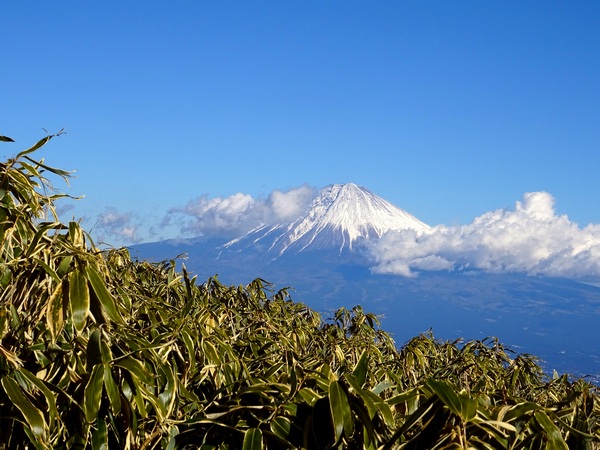 . . . and Fuji-kun.
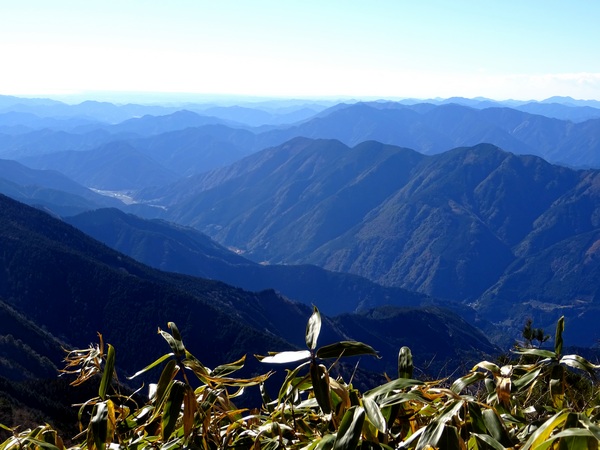
The blue . . .
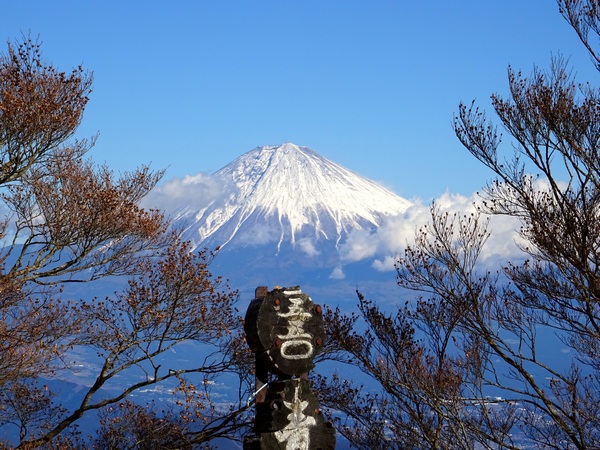
. . . and Fuji-kun.
If you can read the top part of wooden sign (currently Fuji-kun’s bellybutton), you know we’re now standing at 1550 meters, which of course, is the top of Aozasa. If we spin about, counter-clockwise, we can gaze out on the bay in front of the city of Fuji . . .
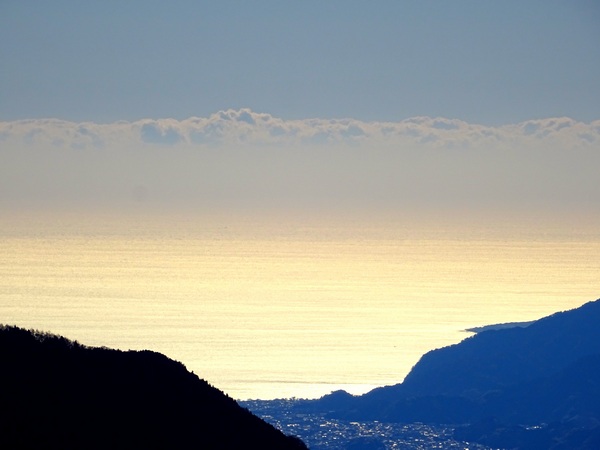
. . . and if we spin a bit more, the mouth of the Abe River.
Nice.
Well, when you’ve got roundness in your head, you tend to see it in places you’ve never see it in before. Along the ridge, we came to . . .
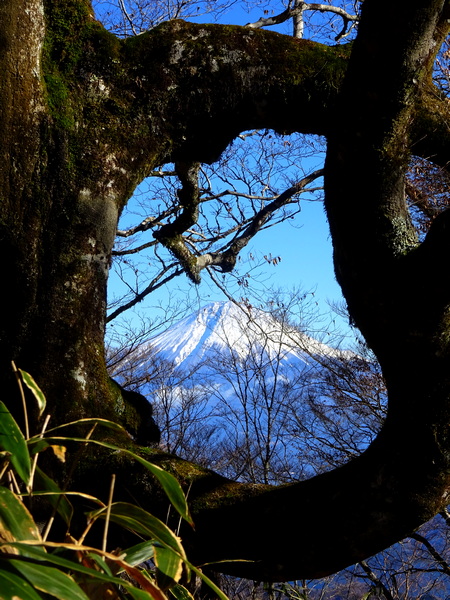
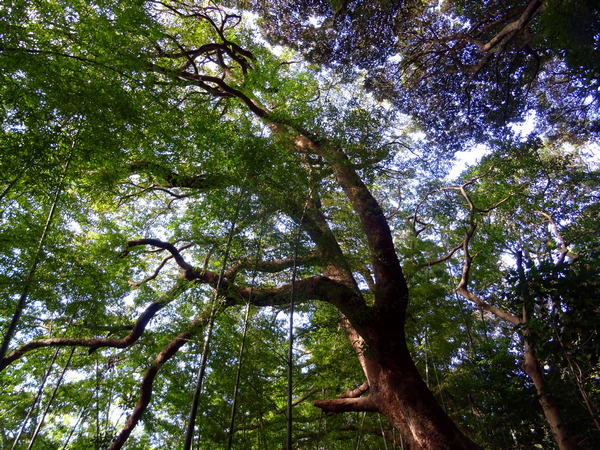
. . . this tree. Yes, we’ve walked this ridge a dozen times, and never spotted these big fat branches. These big fat round branches.
And what’s that sitting there, sitting right there on the bottom branch. Why, indeed, it’s our good friend Fuji-kun—and he’s brought all the blue with him.
Now who could pass up an opportunity to sit in a tree with Fuji-kun and that perfect blue?
Certainly not a Hearty Hiker.
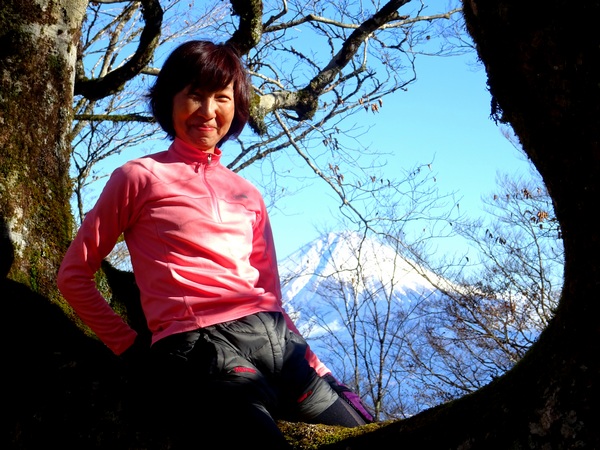
Hiker and Fuji sitting in a tree, K-I-S-S-I-N-G
First comes love . . .
Then . . .
Wait a minute. Once you’ve found the love, what else is there of any consequence? Once you’ve found the love, everything else works itself out.
Once you’ve found the love, then you see there are no straight lines, then you understand that a story always has an “arc”—it brings you round.
Round to the ONE.
Which is where compassion lives.
Hope you’re having, or have had, A Merry and Round and Very Blue Christmas.
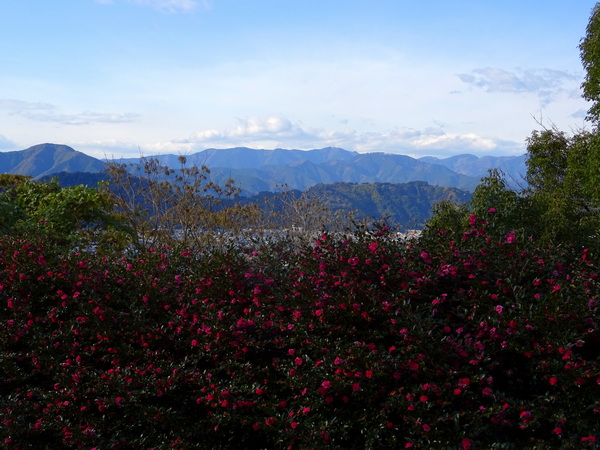
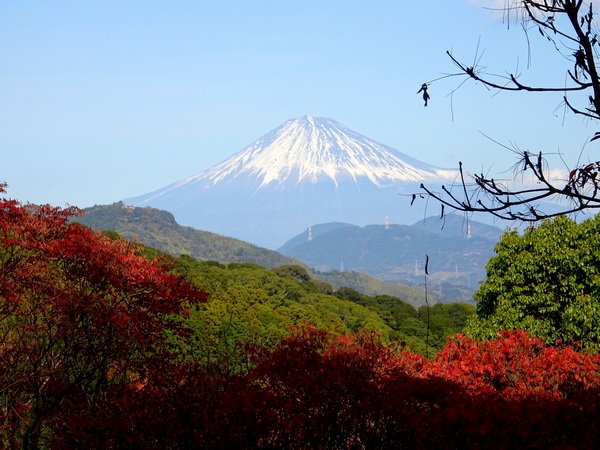
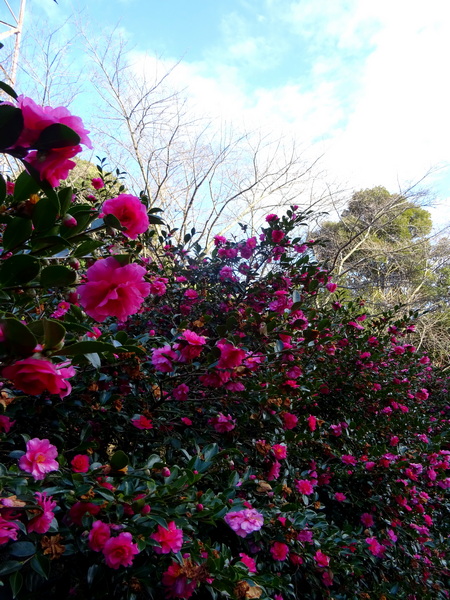
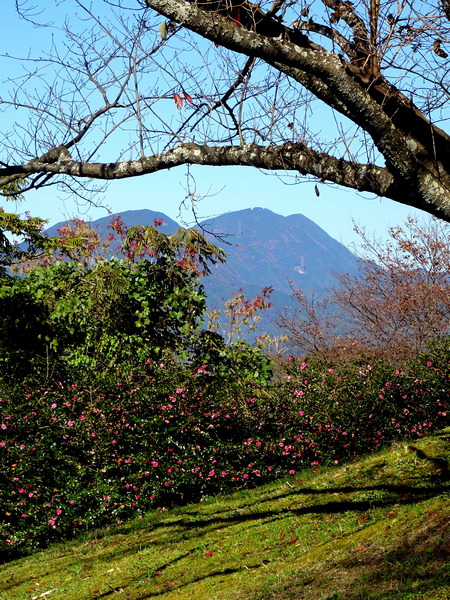
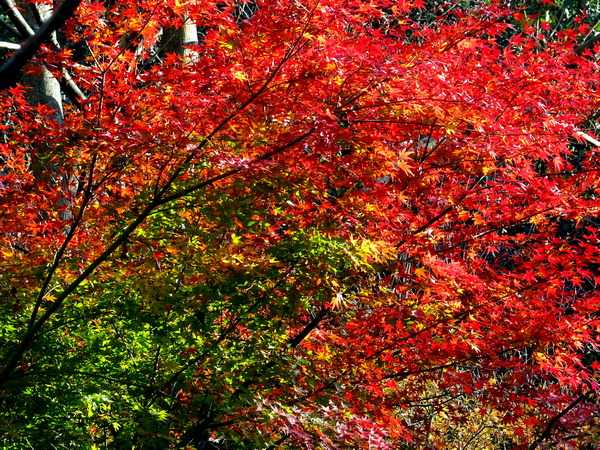
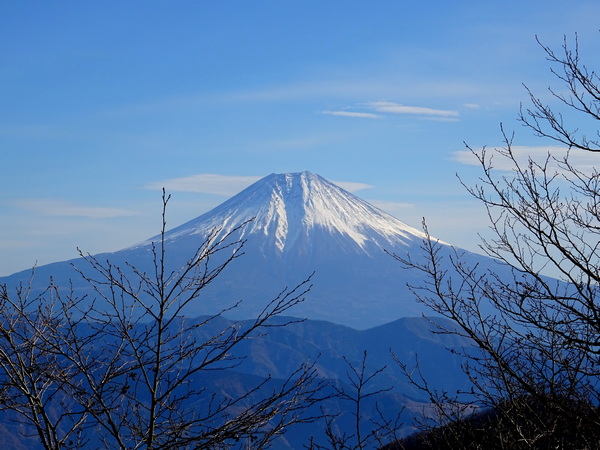
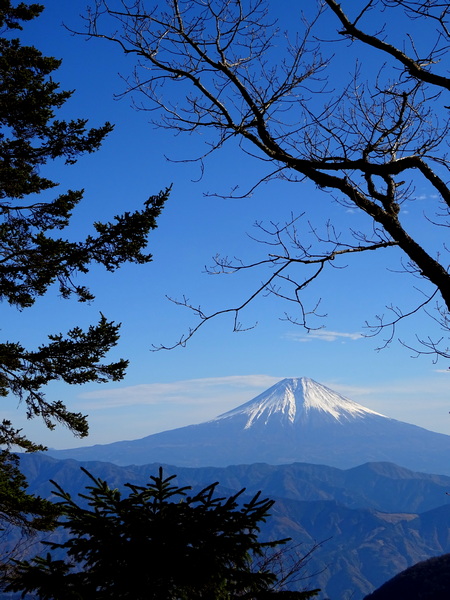
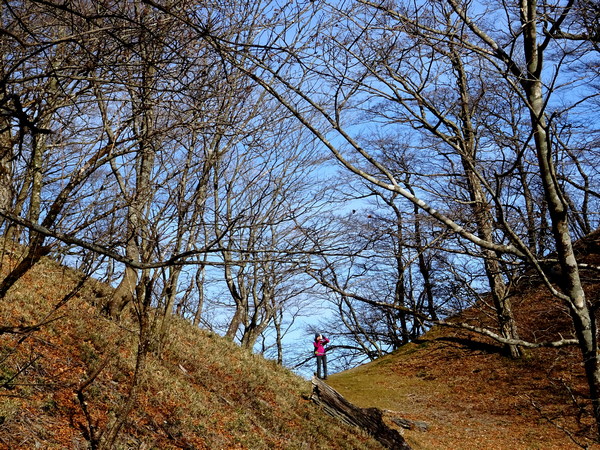
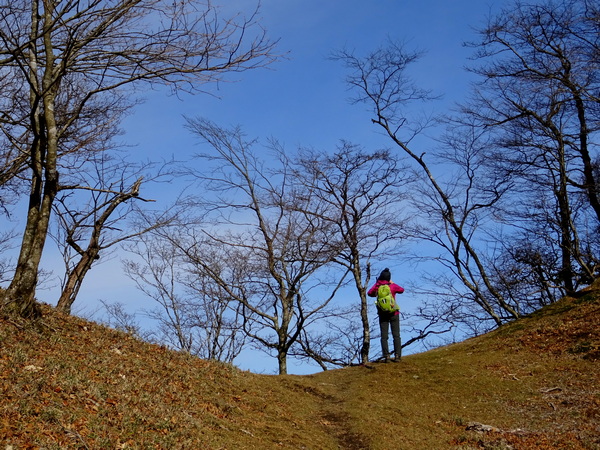
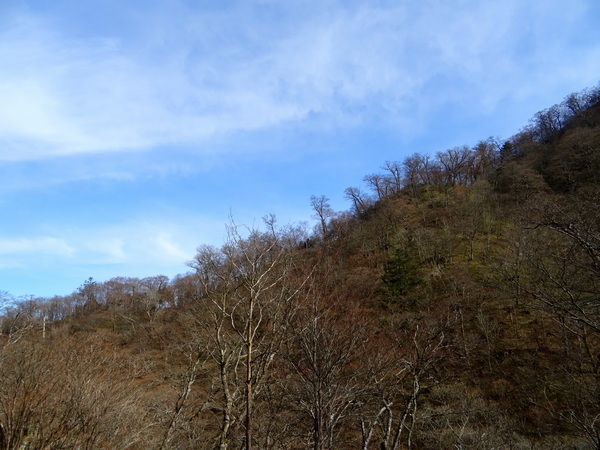
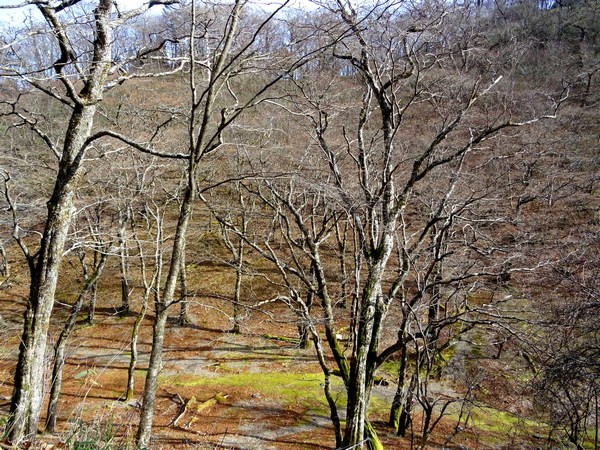
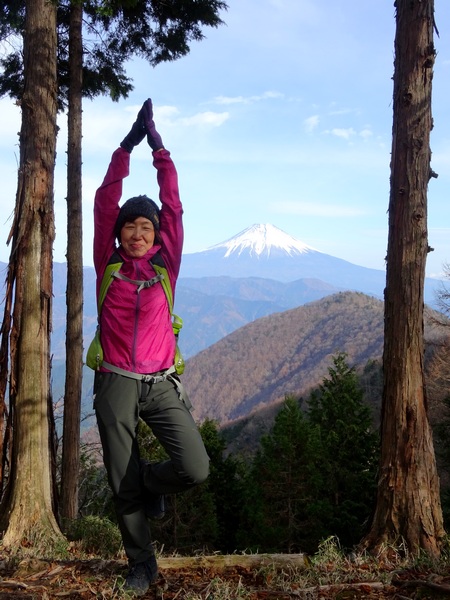
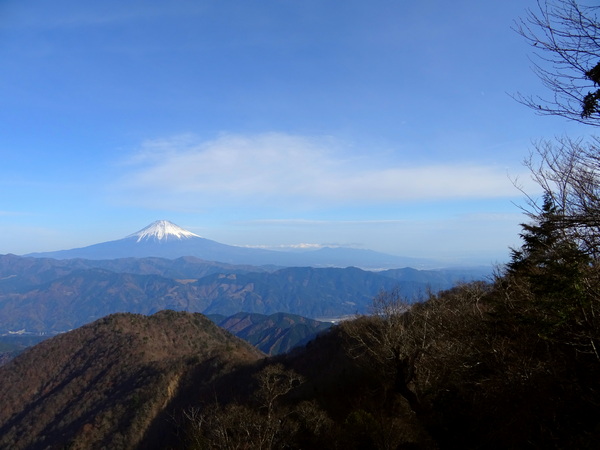
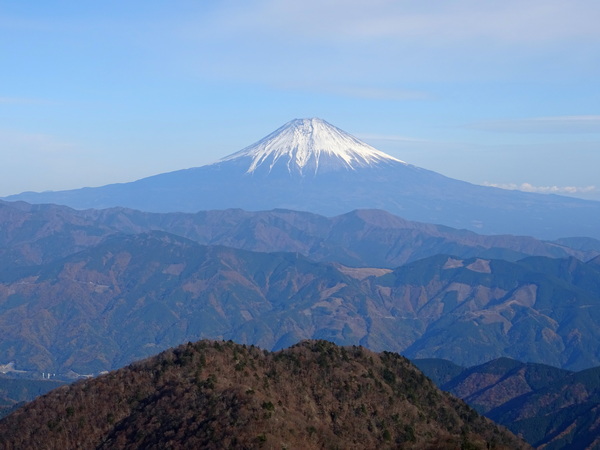
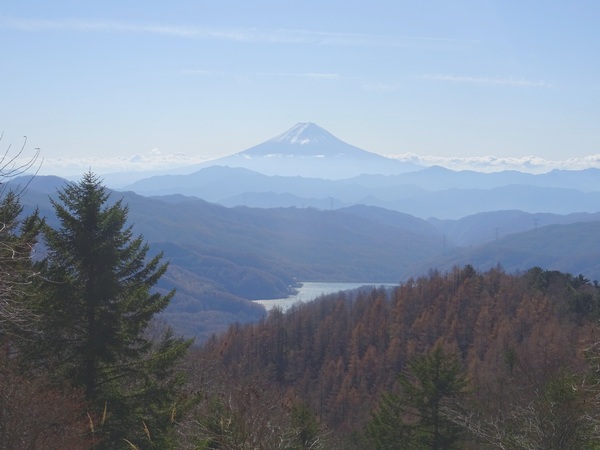
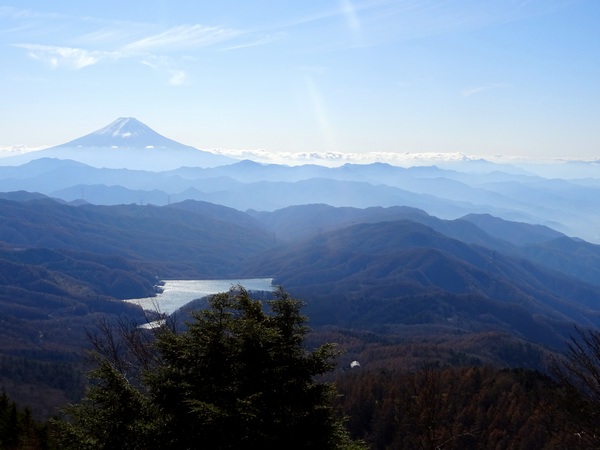
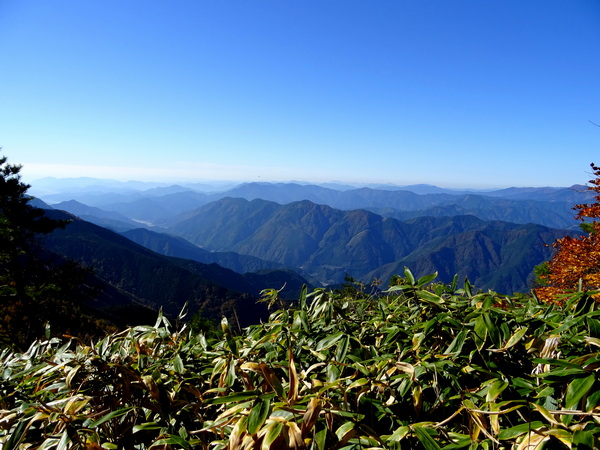 Oh, man, that blue. Thank you, thank you, thank you.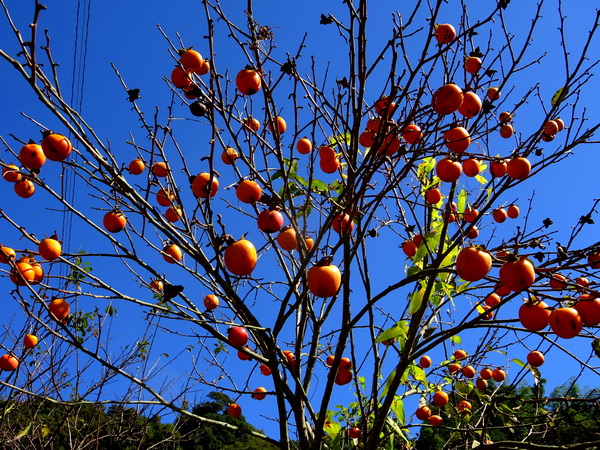
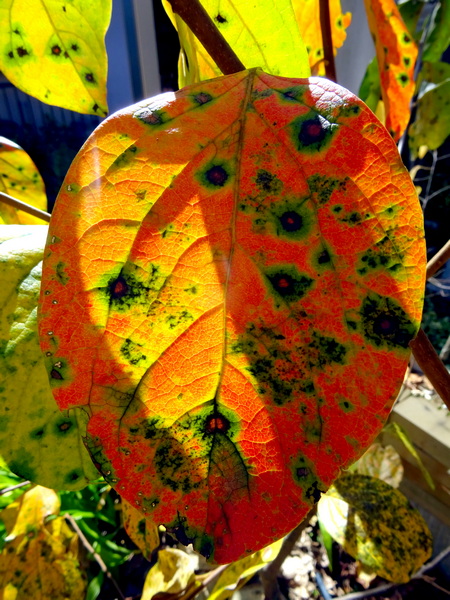
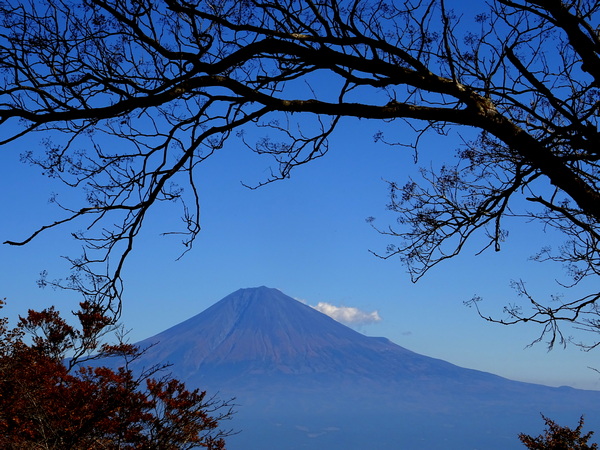 Our friend Fuji, from the Aozasa ridge.
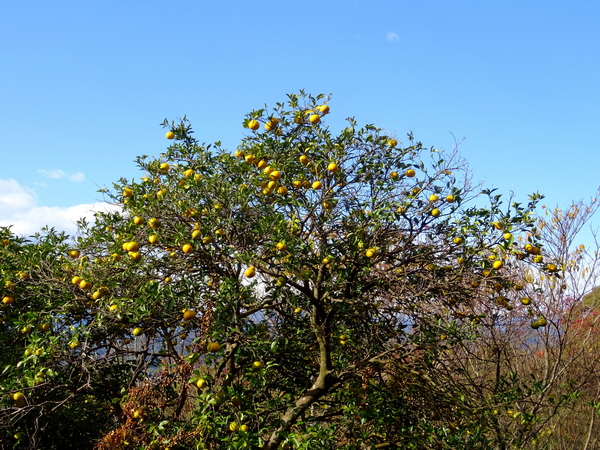
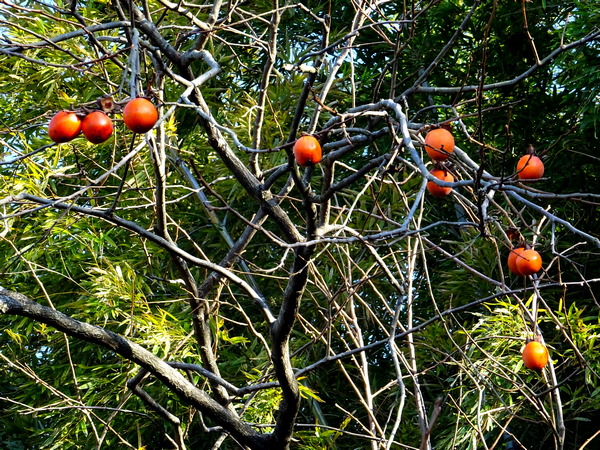
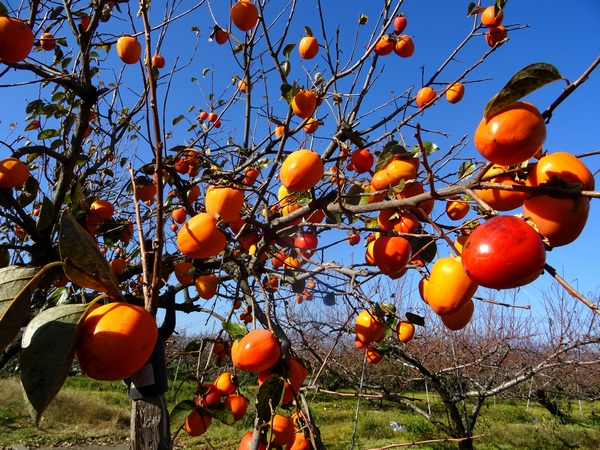
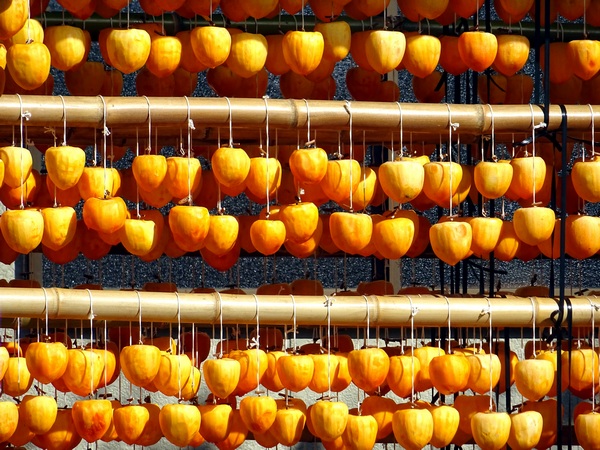
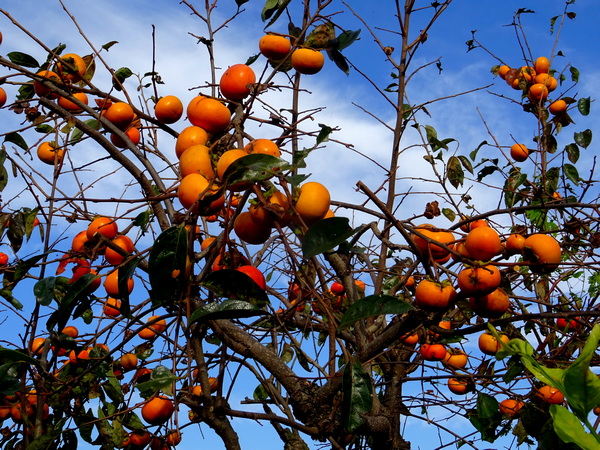
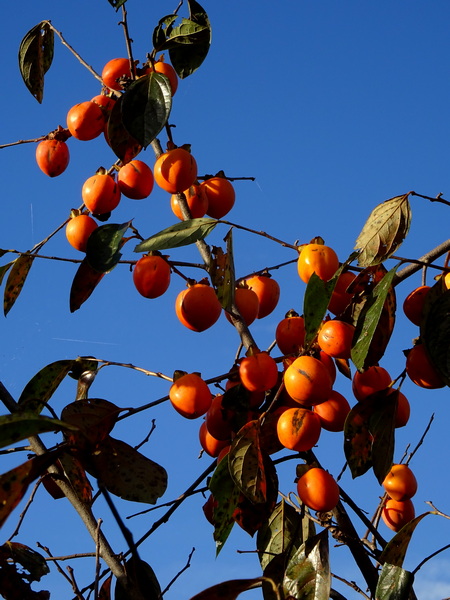 Persimmon dreams are there for us all the year round, but it’s really hard not to have persimmon dreams in November.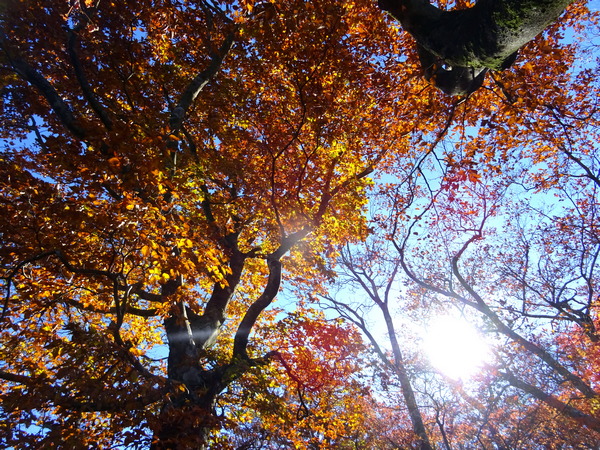
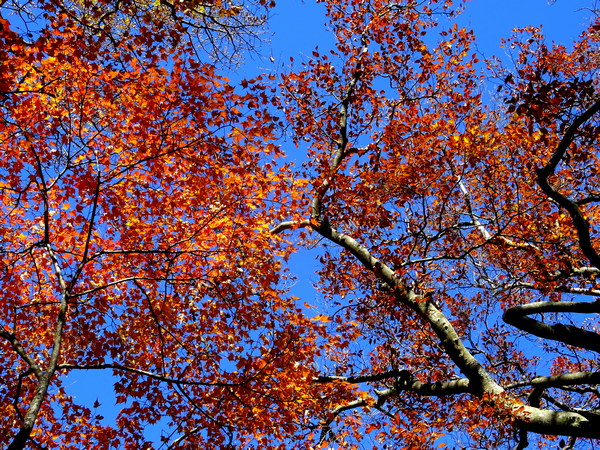
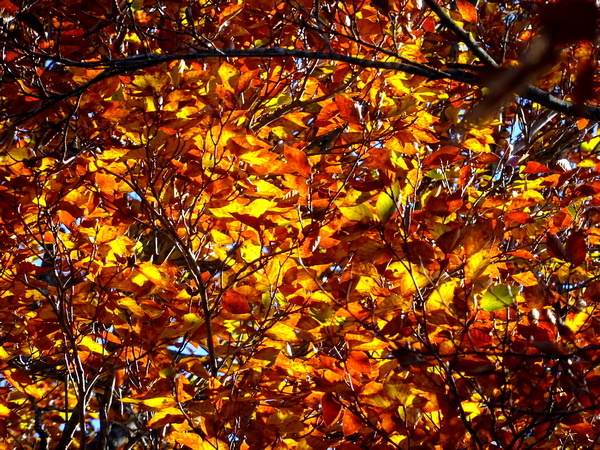
 And in the neighborhood, the love coming through the blue.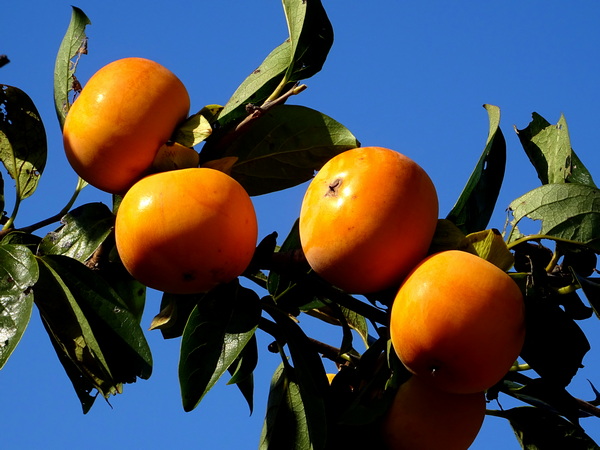
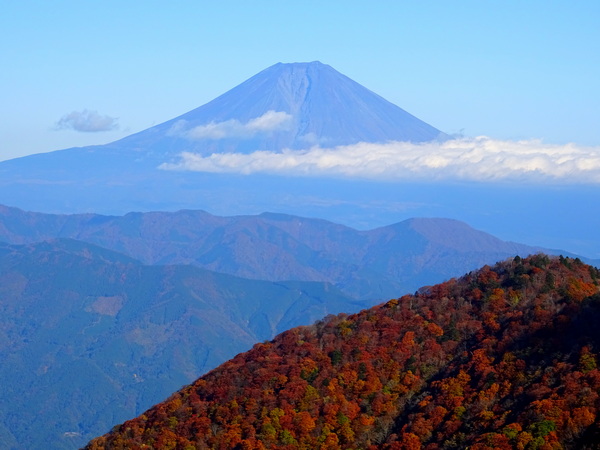
 In the neighborhood, the yellow of the rice—and the blue.
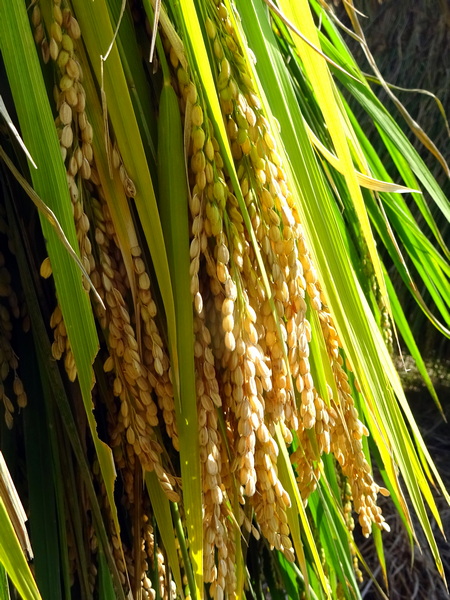 In the neighborhood, the greens and yellows of the rice. How sweet the light golden grains look among them.
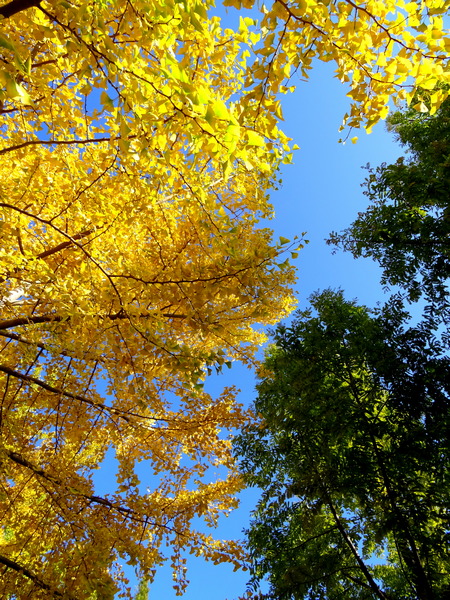
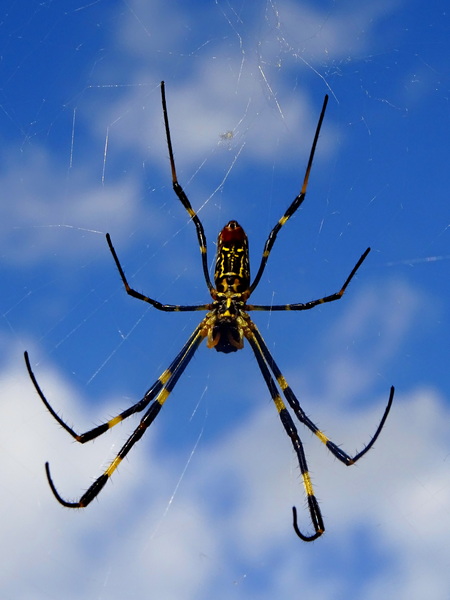 . . . colorful friends doing what they can to get themselves up into that blue.
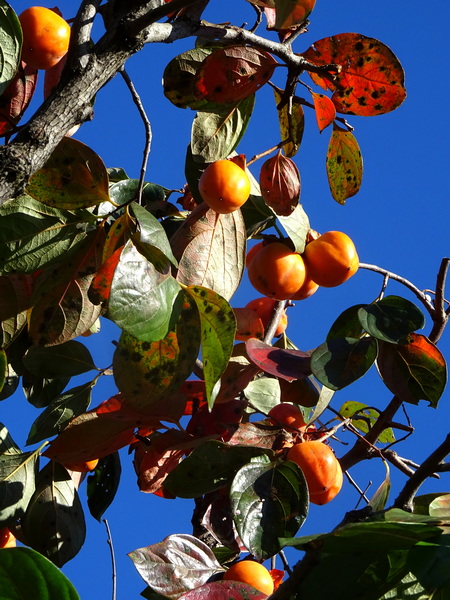 . . . beautiful persimmon dreams.
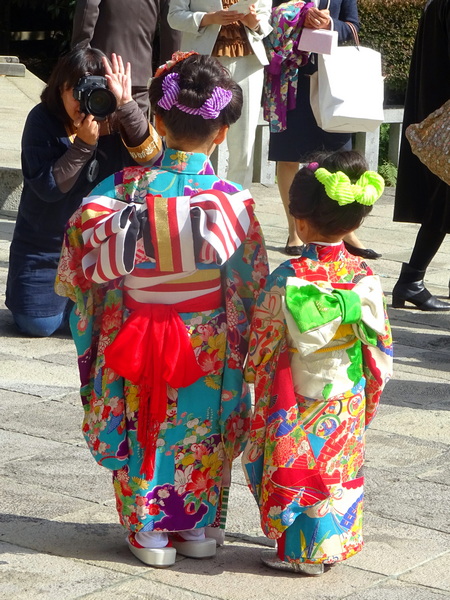 Where did they get the idea for all those colors? How happy do you think they feel in them?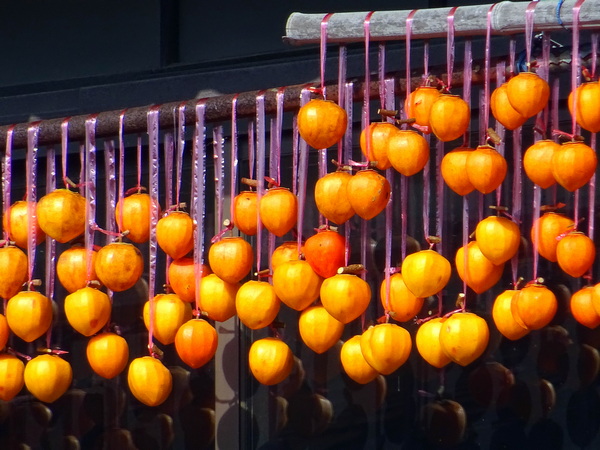
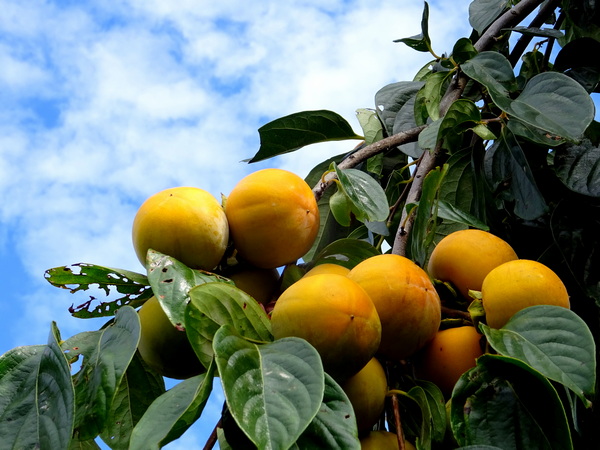
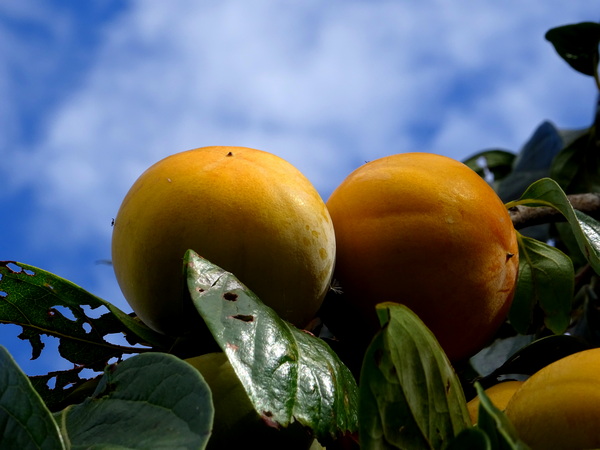 But then again, every day is a good day for persimmon dreams.
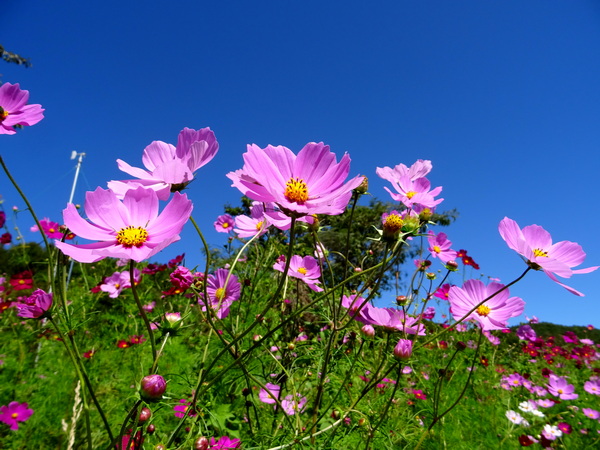
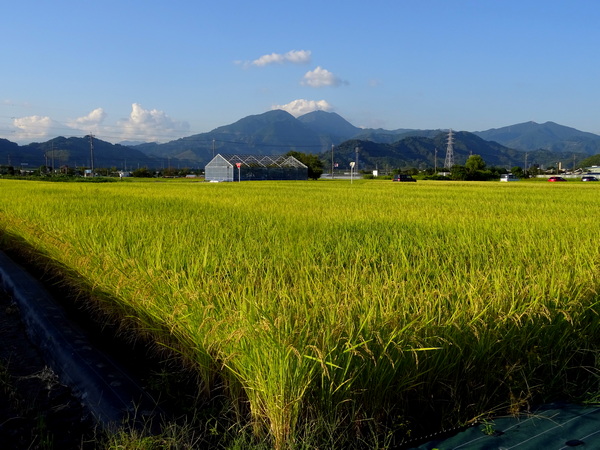
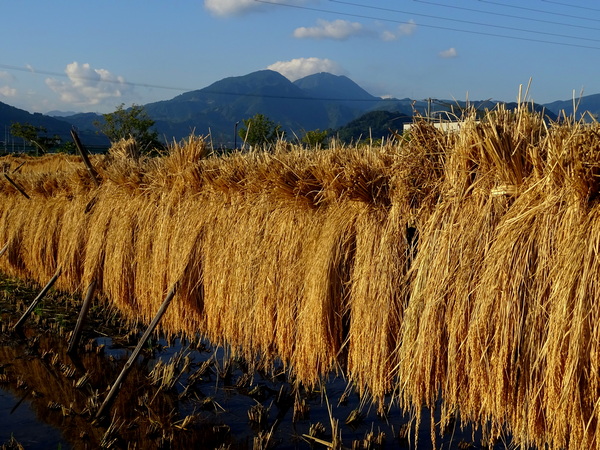
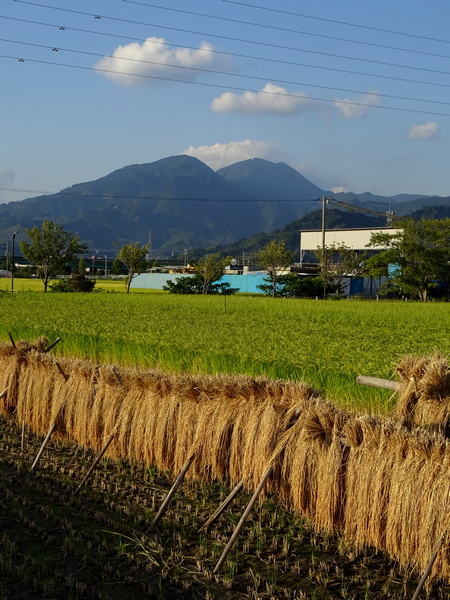 The farmers are out and about, cutting the rice—usually by machine, but occasionally by hand. I’ve been told that hanging the cut rice upside down allows nutrition from the stalks to flow down into the grain, but have not confirmed that.
 Amazingly, Mr. Maugham, did not paraphrase. He quoted Mr. Darrell verbatim, for more than an hour.
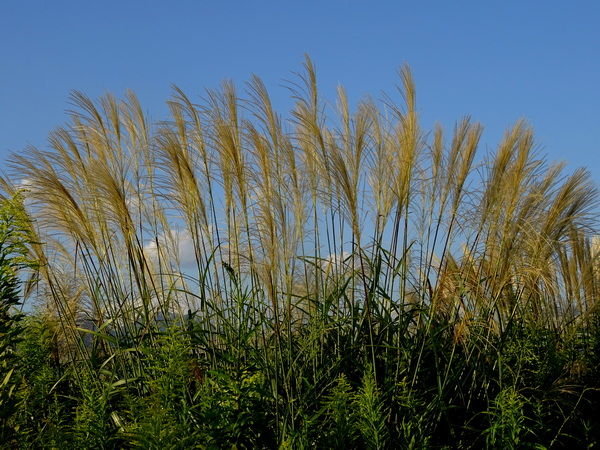 “I have no descriptive talent, I don’t know the words to paint a picture; I can’t tell you, so as to make you see it, how grand the sight was that was displayed before me as the day broke to its splendour. Those mountains with their deep jungle, the mist still entangled in the treetops, and the bottomless lake far below me.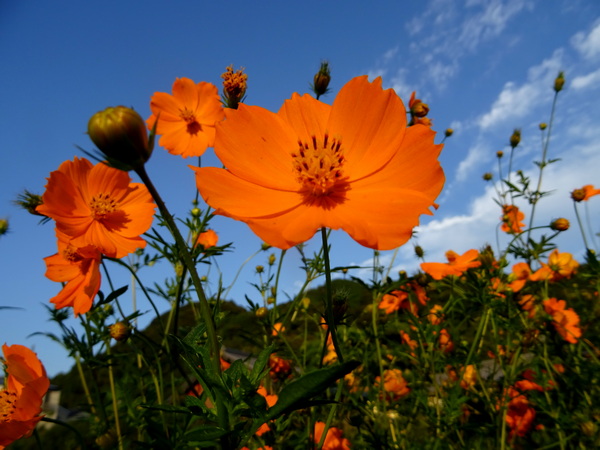
 “I had a strange sensation, a tingling that arose in my feet and travelled up to my head, and I felt as though I were suddenly released from my body and as pure spirit partook of a loveliness I had never conceived. I had a sense that a knowledge more than human possessed me, so that everything that had been confused was clear and everything that had perplexed me was explained.”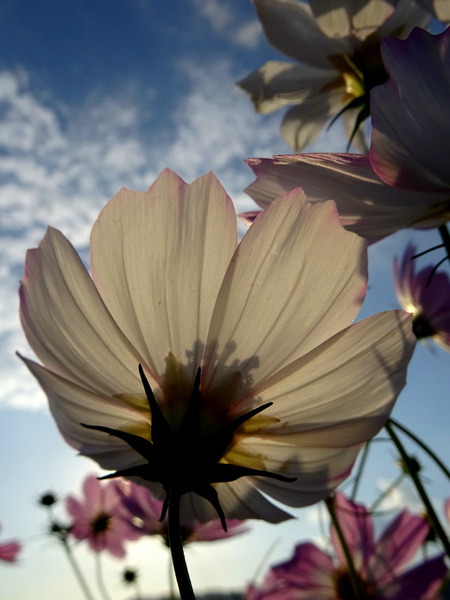
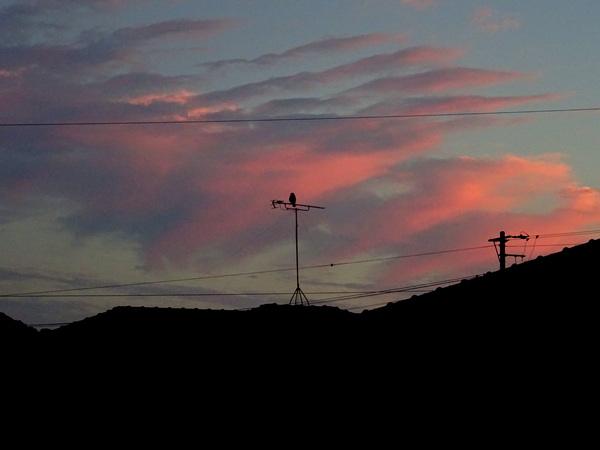
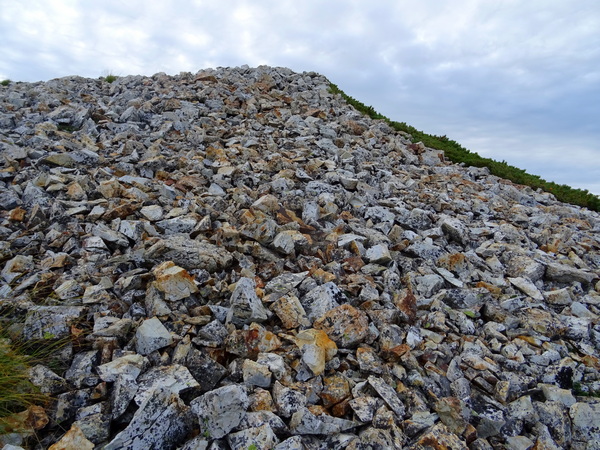
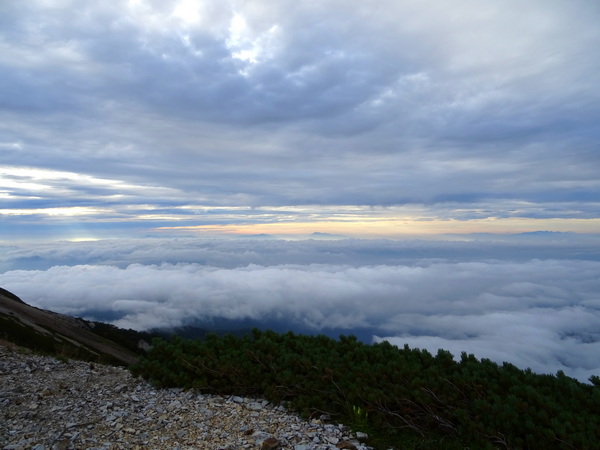
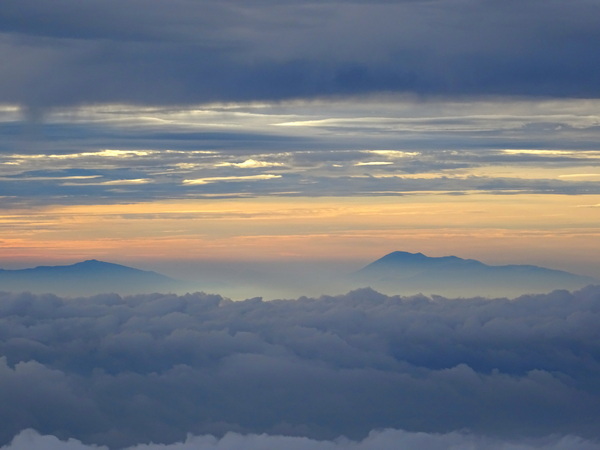
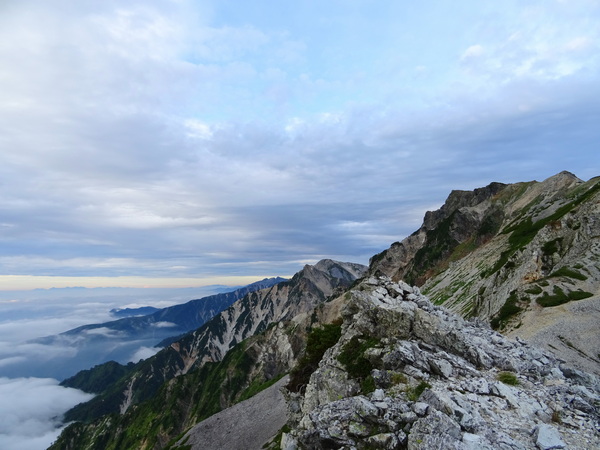
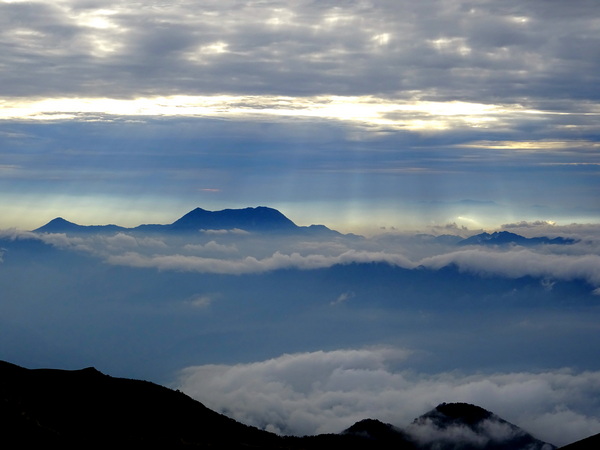
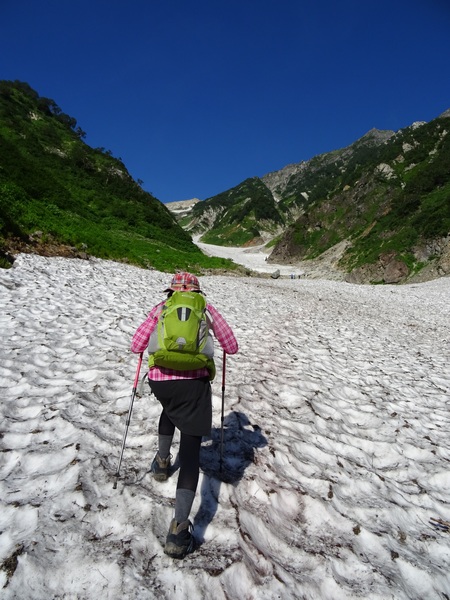
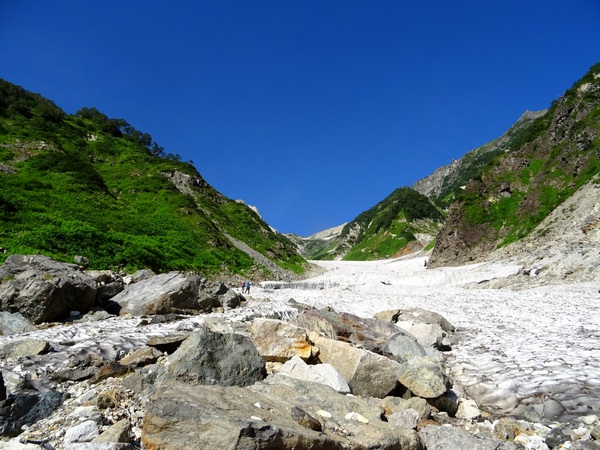
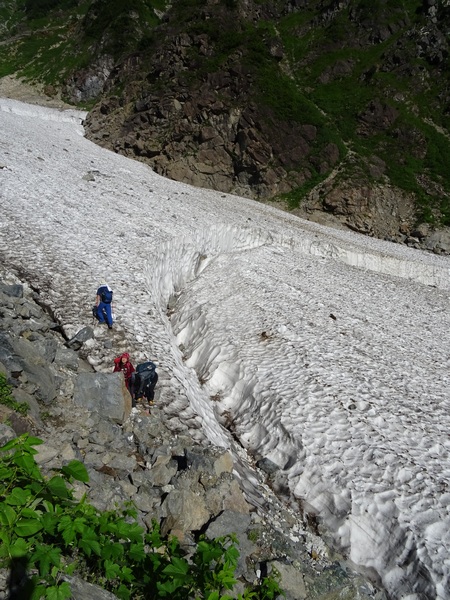
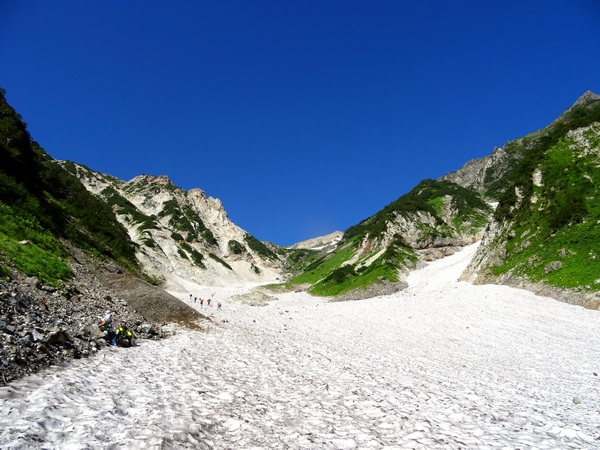
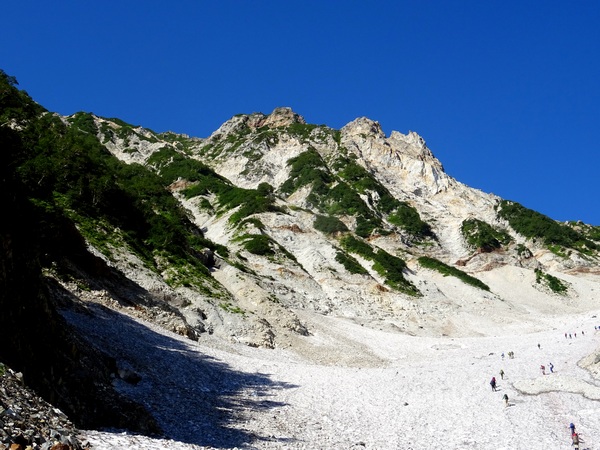
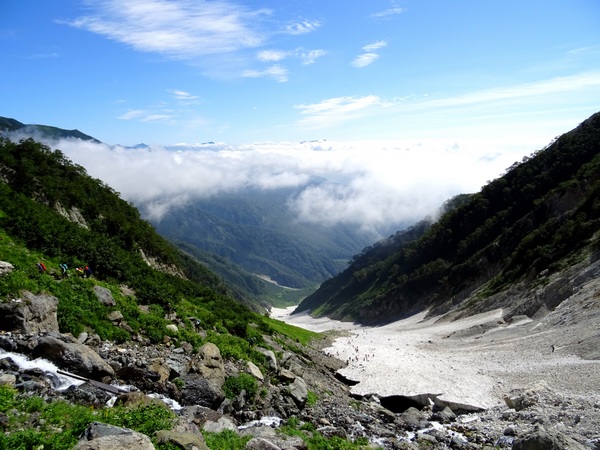
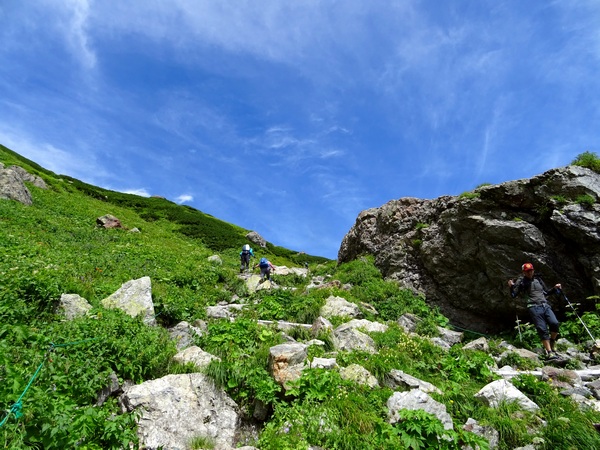
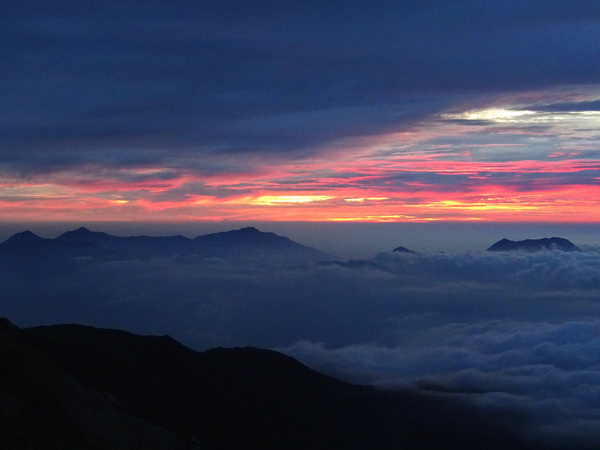 August 28th. The day before we’d climbed the up through the “Big Snow Valley” to the top of Mt. Shirouma. After a night at the lodge, we were back up at the summit, around 4:50 AM, I think, to see a cloudy pastel-colored day dawn.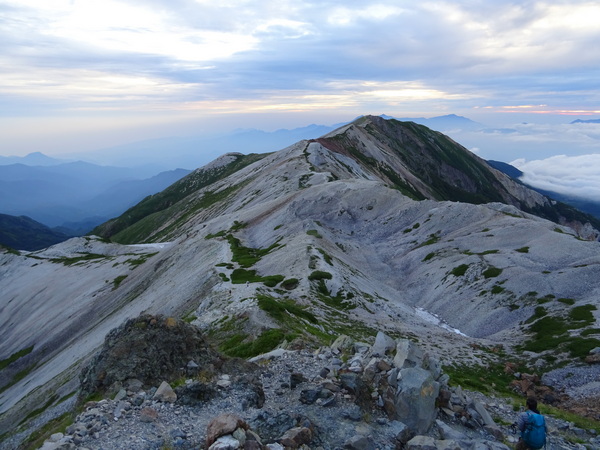
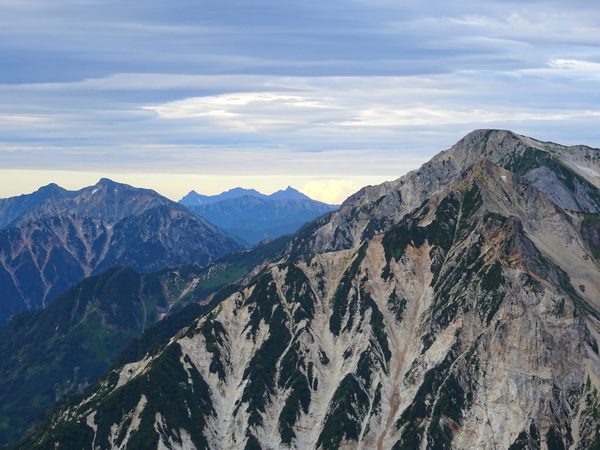
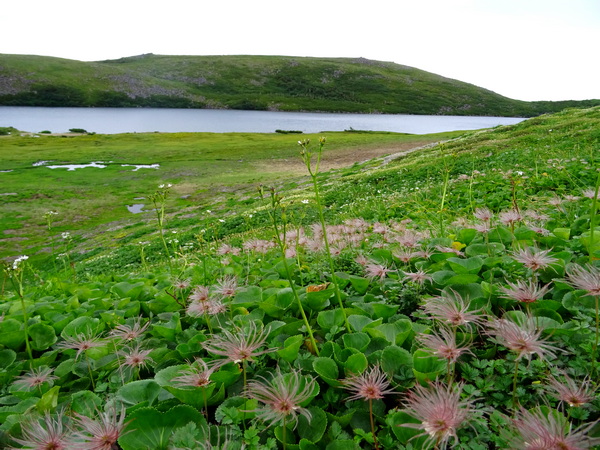
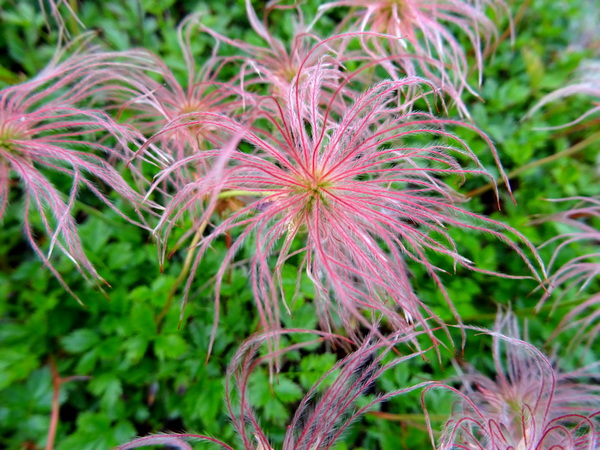
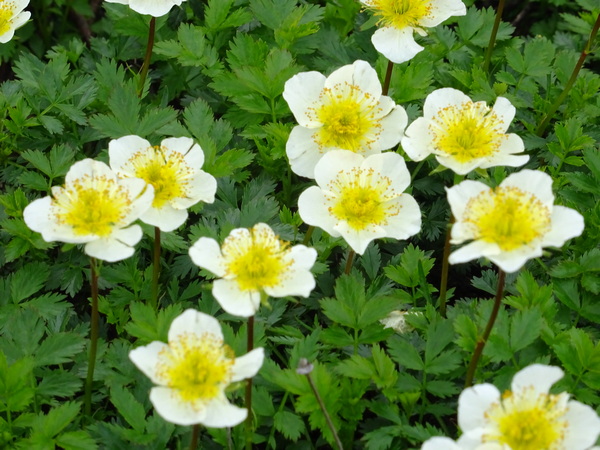
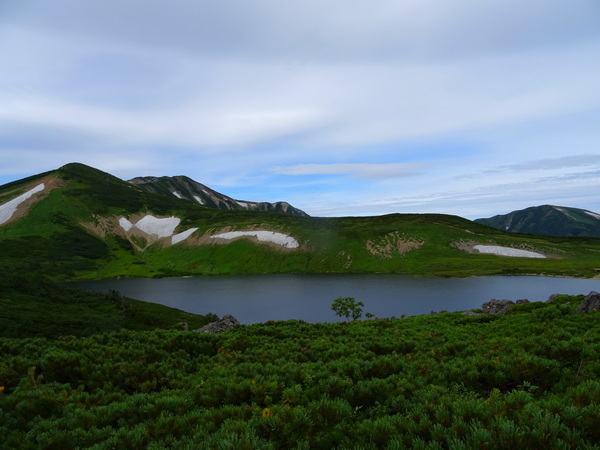
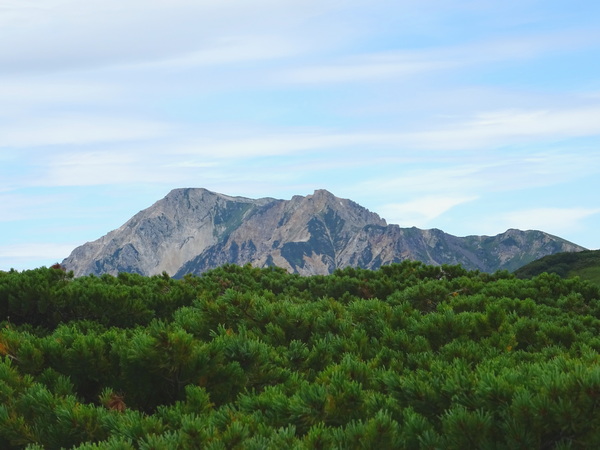
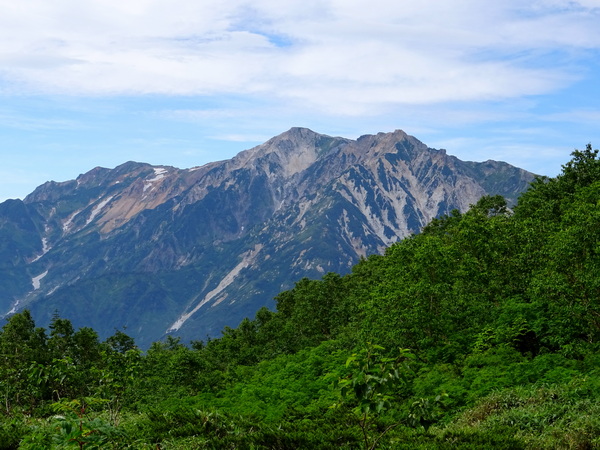
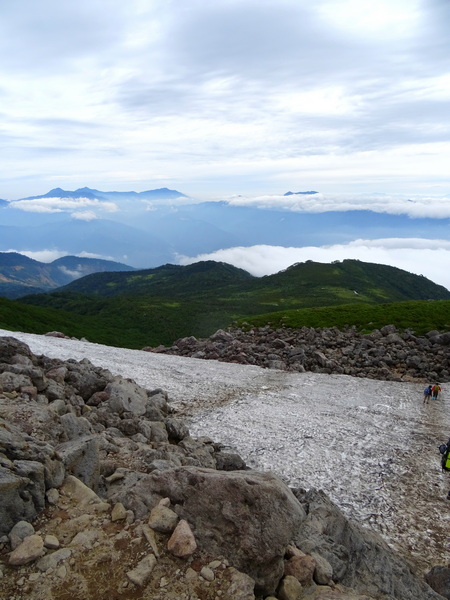
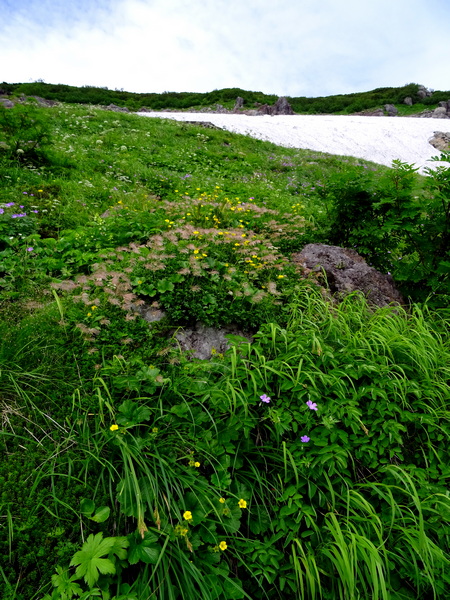
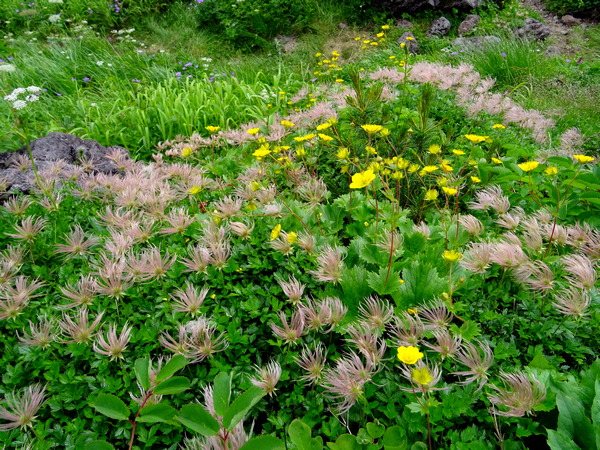
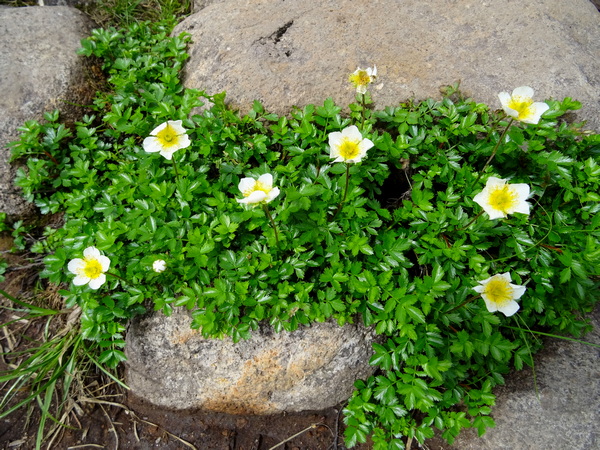
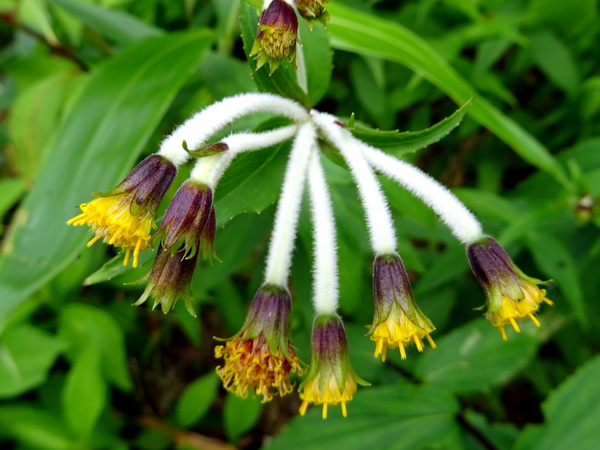
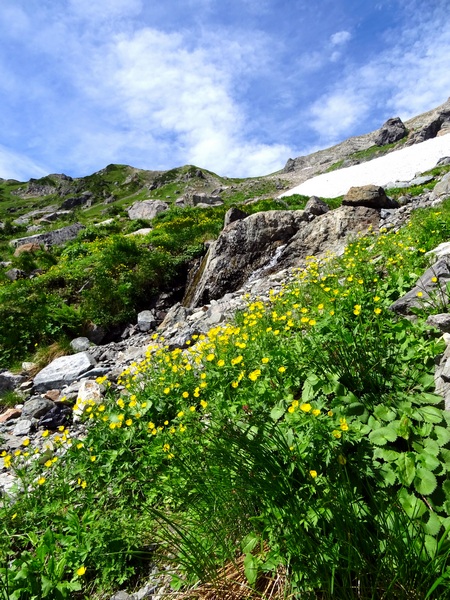
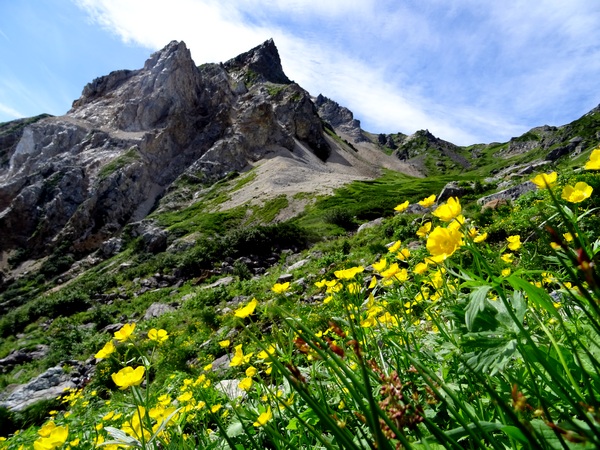
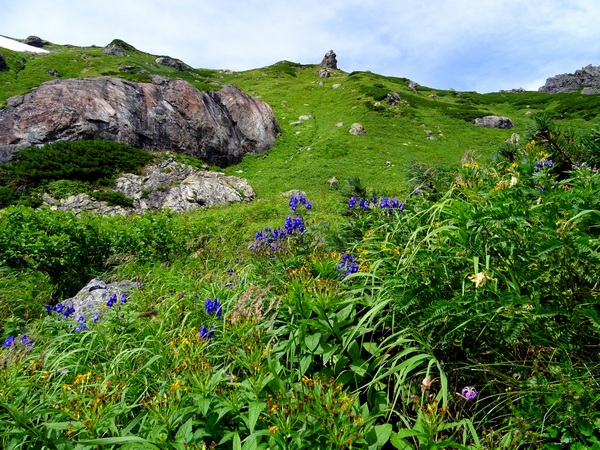
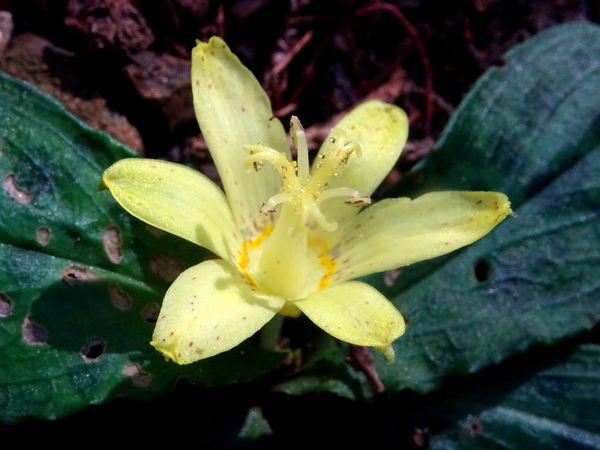
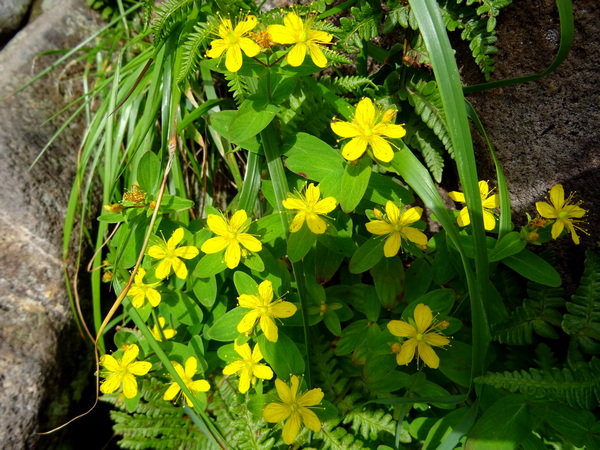 And lots of miyamakinbai.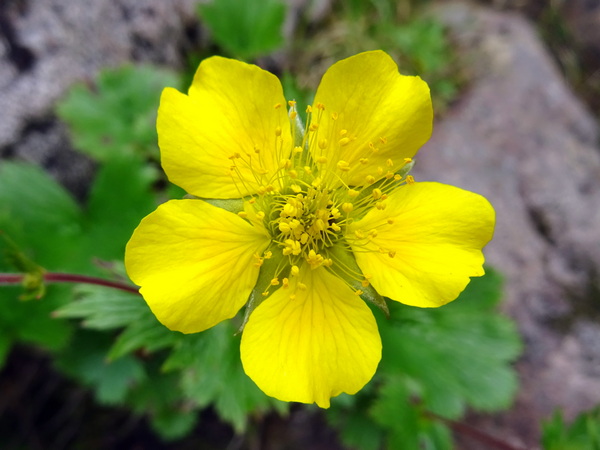
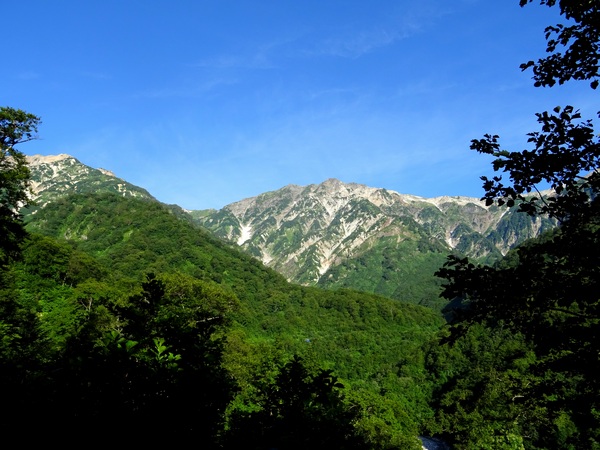
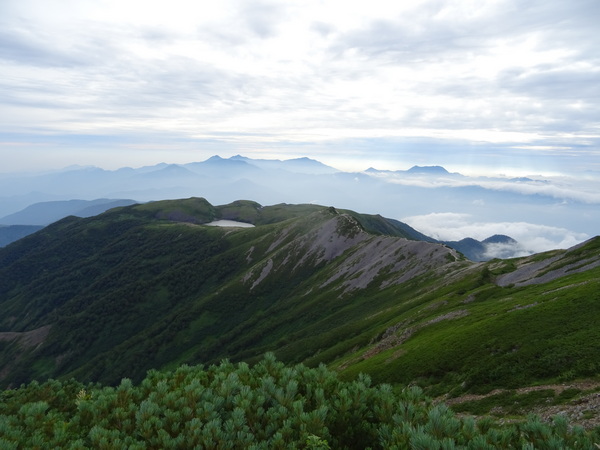
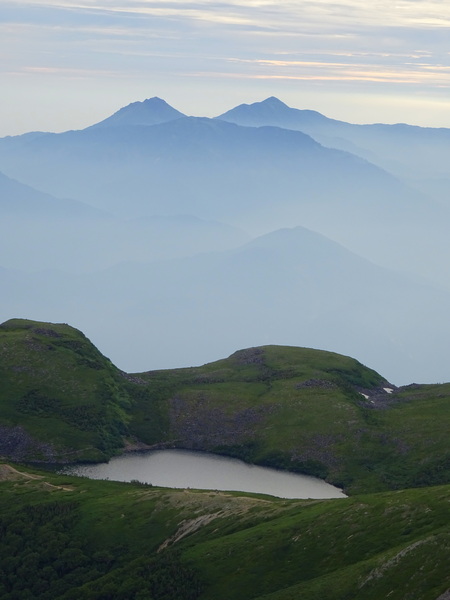
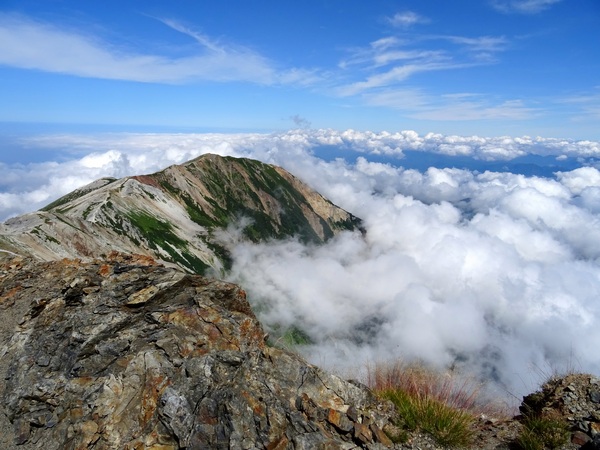 From the summit, to the left, look out and over the ridge that leads to the “Big Hakuba Lake”—our destination in the morning.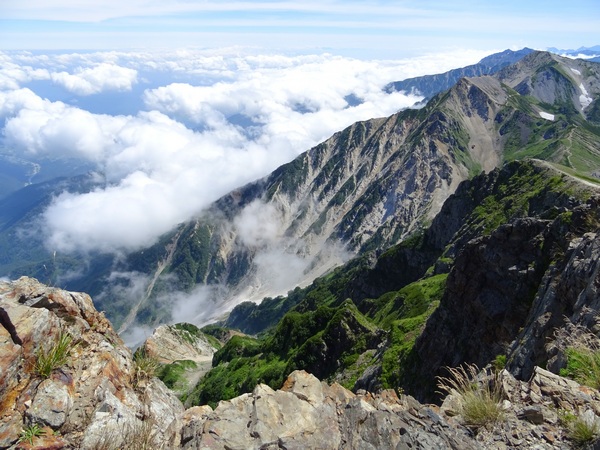
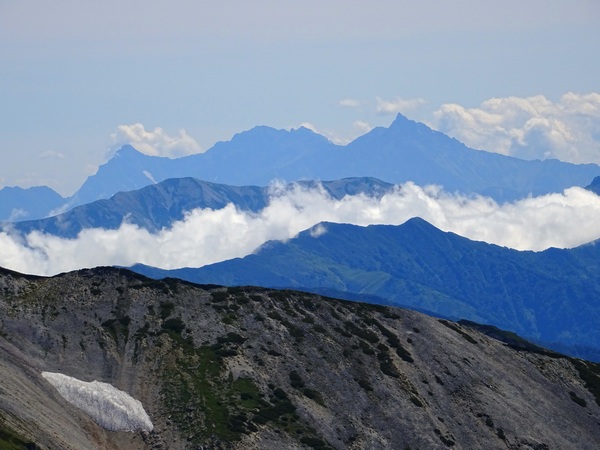

 THERE!